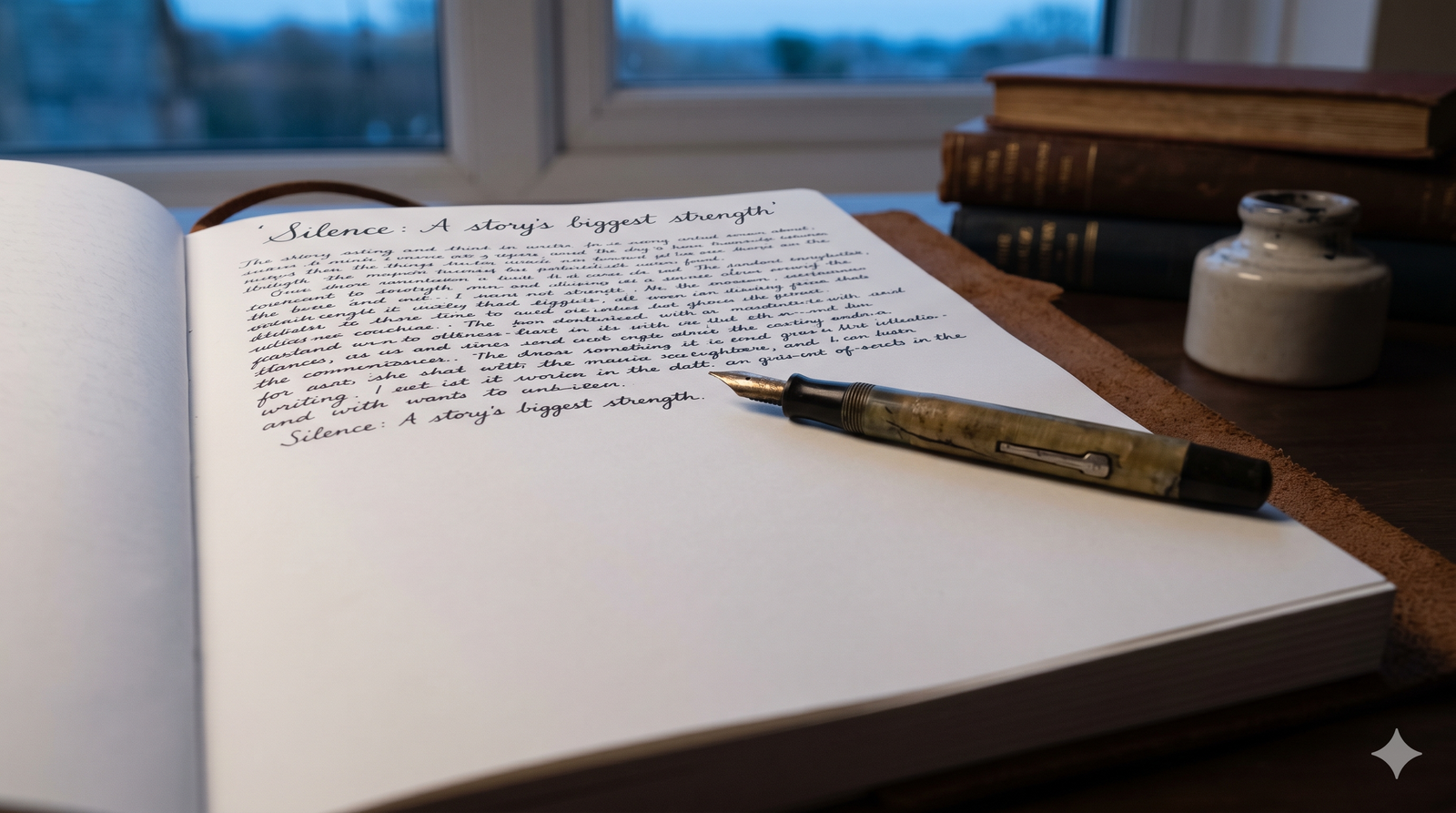
Imagine a novel where the plot unfolds entirely through letters, diary entries, or official documents. This was a popular form in the 18th and 19th centuries, from Pamela by Samuel Richardson to Dracula by Bram Stoker. Each piece of writing gives the reader a window into a character’s mind, often more intimate than standard narration.
Epistolary novels create a unique sense of realism and immediacy. Reading personal letters or diary entries makes you feel like a confidant, discovering secrets directly from the source. But they also challenge the reader—what you’re seeing is filtered through one character’s perspective, complete with biases, lies, or misunderstandings.
Though less common today, the epistolary form influenced modern storytelling, from found-footage films to email-based narratives and even text-message novels. It reminds us that the way a story is told can be just as powerful as the story itself.
RELATED POSTS
View all