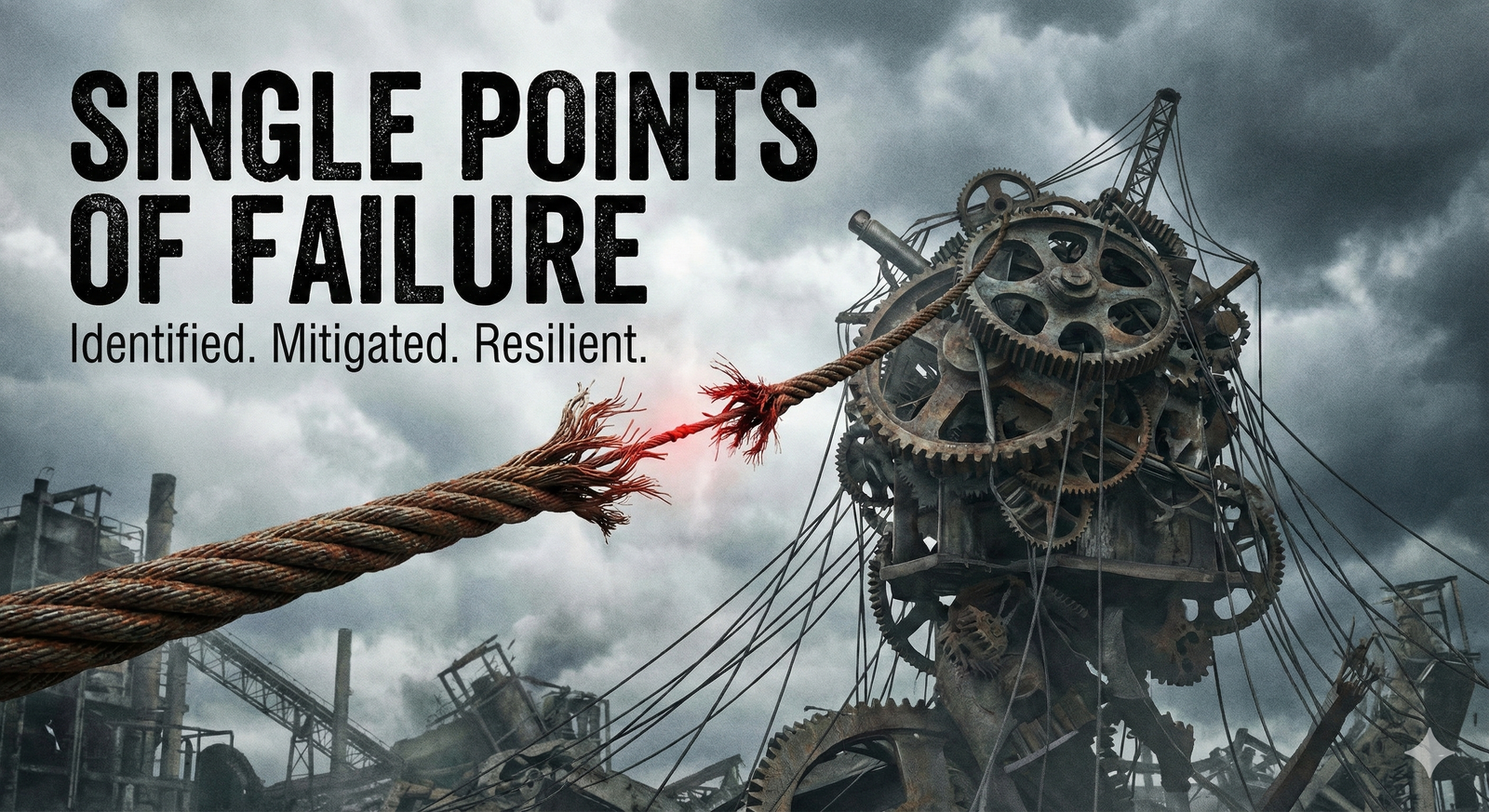
Modern economies pride themselves on speed. Goods move from factory to store in days, digital payments settle in seconds, and information travels around the globe almost instantly. Yet, even in this hyper-connected world, small inefficiencies can ripple into major disruptions. Economists call this phenomenon supply chain fragility—the idea that tightly optimized systems are highly sensitive to minor shocks.
Take logistics as an example. A single port delay, a shortage of a specific container, or even minor regulatory slowdowns can cascade through the network, affecting production schedules, retail availability, and pricing far from the original source. On paper, everything seems fine: factories are running, orders are placed. But in reality, the system has little slack, and bottlenecks anywhere can slow the whole chain. What’s invisible in everyday headlines—the time a container waits at a port or a shipment held up by paperwork—can quietly dictate the availability of essential goods.
This fragility isn’t confined to physical goods. Energy grids, semiconductor supply, and even financial networks operate on similar principles. Optimization has reduced redundancy, eliminated “wasted” capacity, and increased efficiency—but in doing so, it has made these systems less resilient. The very efficiency that boosts growth in stable times also magnifies disruption when conditions change unexpectedly.
The modern tension emerges because societies still demand both speed and stability. Businesses, governments, and consumers expect instant results, but any disturbance, however small, is amplified. The challenge is not merely to produce faster, but to design systems that can absorb shocks without halting. That often means accepting higher costs, slower delivery, or extra complexity—a trade-off that doesn’t appear in GDP numbers but shapes daily life in subtle ways.
Ultimately, these invisible bottlenecks remind us that economic strength isn’t just about output. It’s about flexibility, foresight, and the quiet margins built into systems we rarely notice—until the smallest hiccup becomes impossible to ignore.
RELATED POSTS
View all