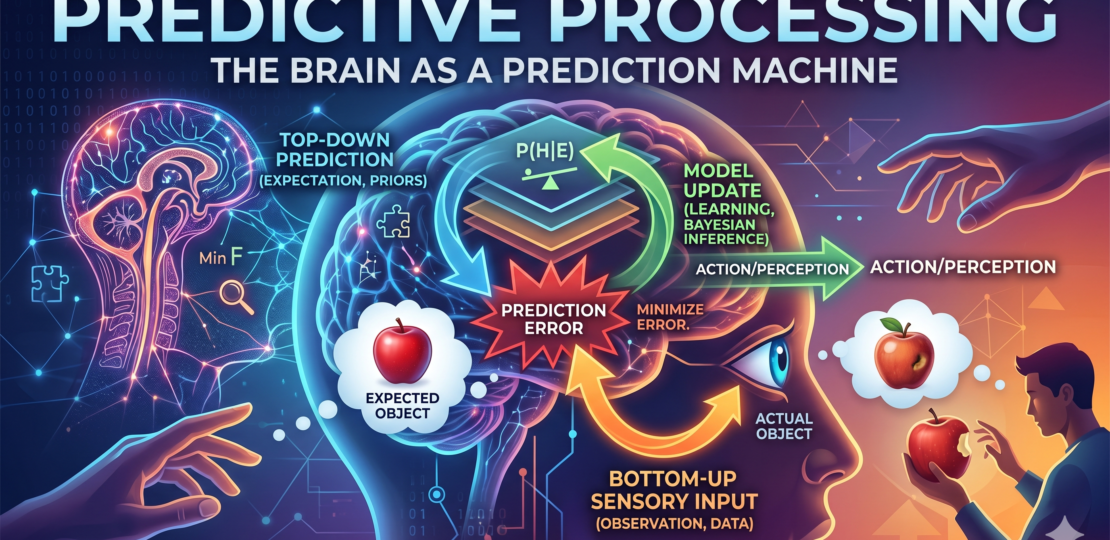
Your brain is constantly removing parts of reality without you noticing. Psychologists call this predictive processing — the brain’s habit of predicting what will happen next so it doesn’t have to fully process everything around you.
That sounds strange, but it’s incredibly useful. Imagine if your brain paid full attention to every sound, texture, movement, and sensation every second. You would be overwhelmed almost instantly. So instead, the brain filters out what feels familiar and predictable. That’s why you stop noticing the feeling of your clothes, the sound of a fan, or the hum of a classroom after a few minutes.
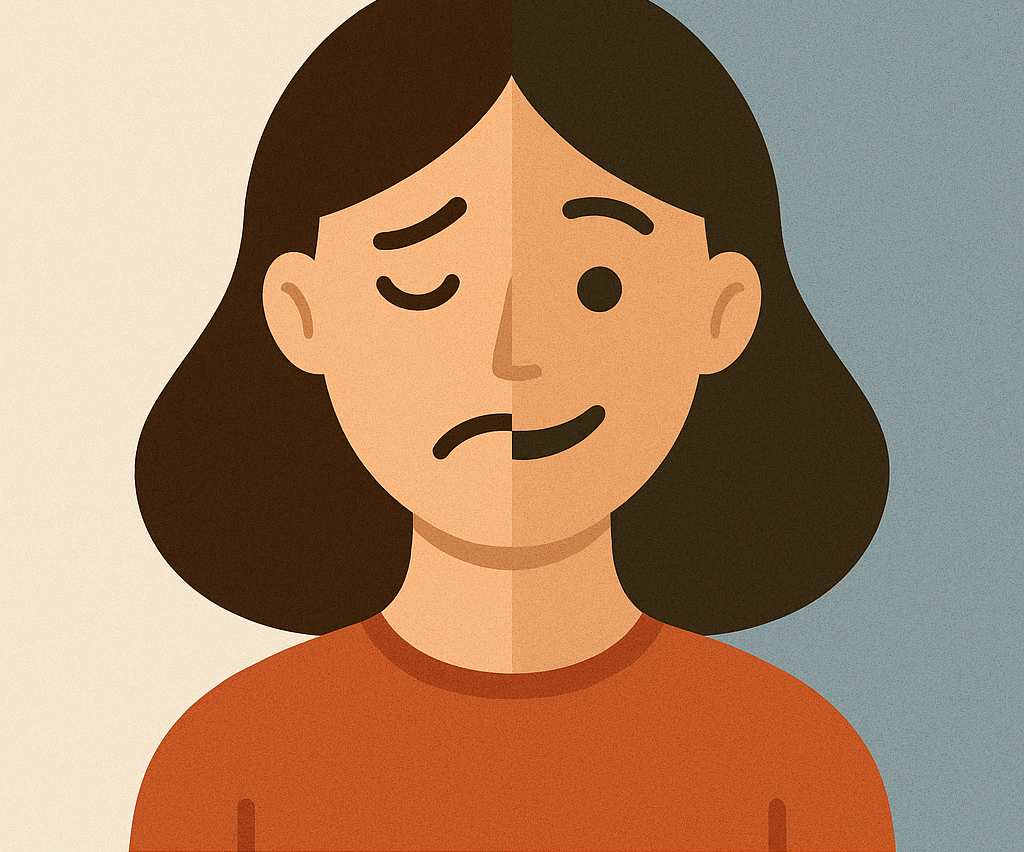
This process affects more than just senses. It shapes emotions too. Two people can walk into the same room and experience it completely differently because their brains are predicting different outcomes. One person notices danger and judgment. Another notices opportunity and comfort. In many ways, perception is partly expectation.
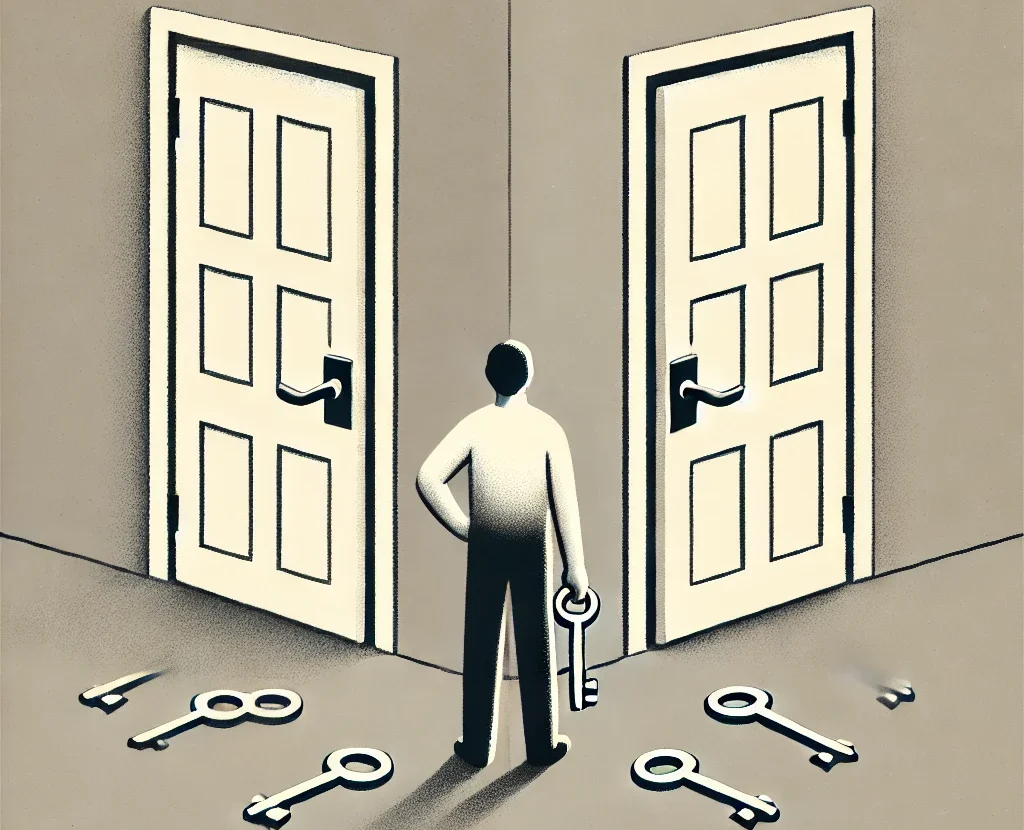
It also explains why change feels uncomfortable even when it’s good for us. New habits, environments, and routines force the brain to stop relying on prediction and start paying attention again. That mental effort often feels exhausting, which is why growth can initially feel “wrong.”
Most people never realize how much of life is filtered before it even reaches conscious thought. Your brain is not just observing reality — it is constantly editing it to help you function.
RELATED POSTS
View all