


Most people think productivity is about motivation. It usually is not. More often, it is about friction — the tiny invisible resistance between intention and action. One of the strangest productivity tricks studied in behavioral psychology is the idea of implementation friction: making good habits easier to start by reducing even microscopic barriers. The fascinating part is how irrationally sensitive the human brain is to these barriers. A book placed on a desk gets read more often than one inside a backpack. A guitar left in the corner gets practiced more than one inside a case. Even opening a laptop and seeing the wrong tab first can derail focus.
What makes this concept powerful is that the brain does not evaluate tasks logically. It evaluates activation energy. The first 20 seconds matter disproportionately. Researchers studying behavior change noticed that people consistently chose whichever option required less immediate effort, even when the harder option was clearly better long term. In other words, humans naturally drift toward the path of least resistance. Productivity systems fail when they ignore this biological tendency and rely purely on discipline.
The interesting twist is that implementation friction works both ways. You can weaponize it against distractions too. People who spend less time on social media often are not more disciplined — they simply added tiny obstacles. Logging out after every session. Keeping the phone in another room. Turning the screen grayscale. None of these stop access entirely, but they increase the activation energy just enough for the impulsive part of the brain to hesitate. That hesitation is often enough.
The most productive people frequently appear “naturally focused,” but many quietly engineer their environment instead of depending on willpower. They reduce friction for important tasks and increase friction for destructive ones. It sounds almost disappointingly simple, yet it works because human behavior is surprisingly mechanical. Sometimes changing your life is less about becoming stronger and more about making the right action slightly easier than the wrong one.
RELATED POSTS
View all



Why Time Management is not the best strategy out there
February 23, 2025 | by Venkat Balaji
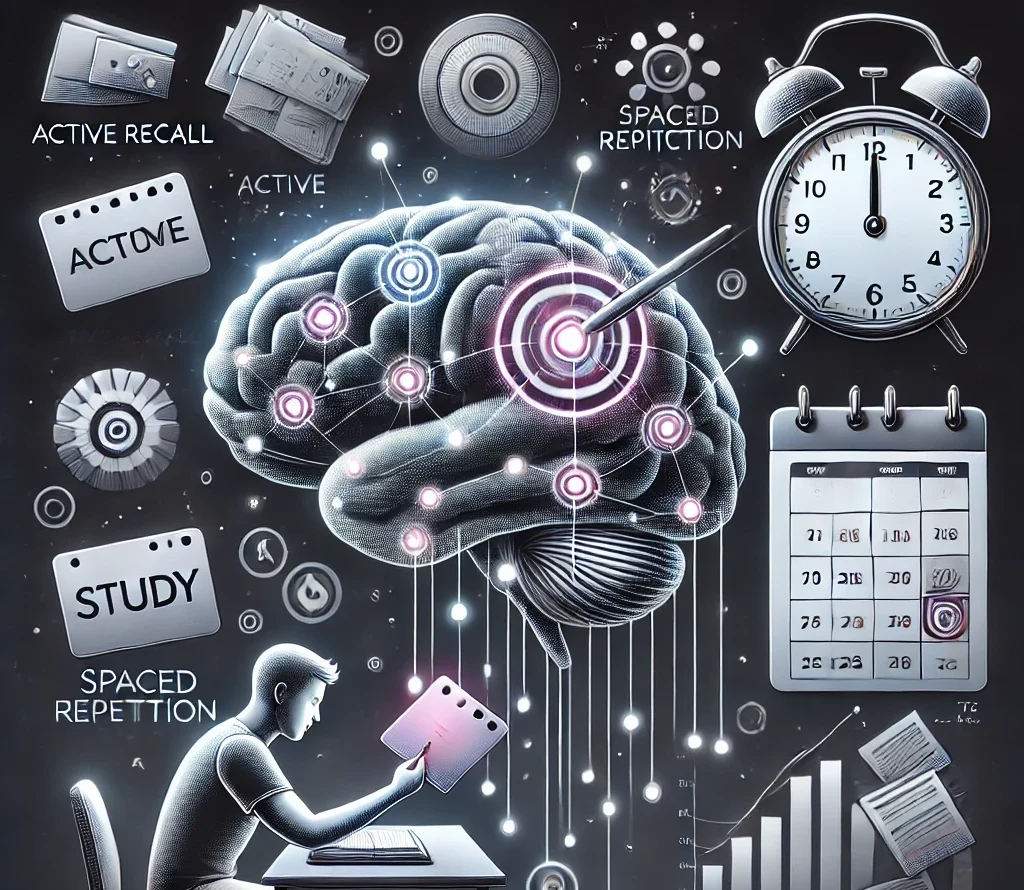
The Art of Studying Effectively (part 2): The magic of Active Recall and Spaced Repetition
February 11, 2025 | by Venkat Balaji