AI is possibly the most used word in the world today. It has changed the masses, creating new jobs, killing existing jobs, etc. A lot of what AI does is think like a human. That’s what separates it from google chrome or microsoft bing. How did it learn? We taught it by studying the brain and one big credit goes to Donald Hebb.
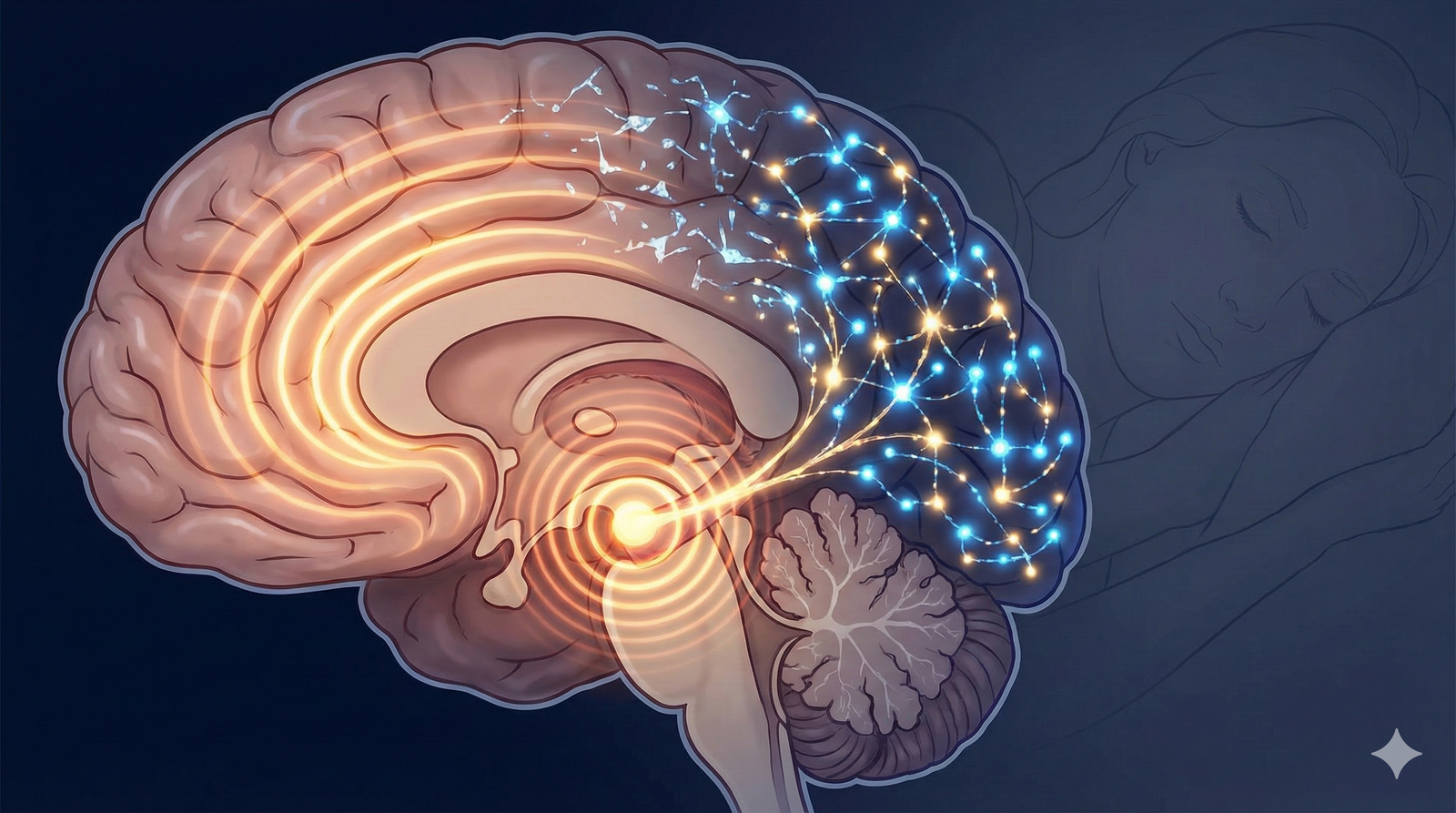
Before “AI” became a buzzword, psychologist Donald Hebb was laying its groundwork — not in silicon, but in the human brain. In 1949, Hebb proposed a radical idea: neurons that fire together, wire together. This simple phrase, now known as Hebbian learning, became a cornerstone of neuroscience and modern machine learning alike.
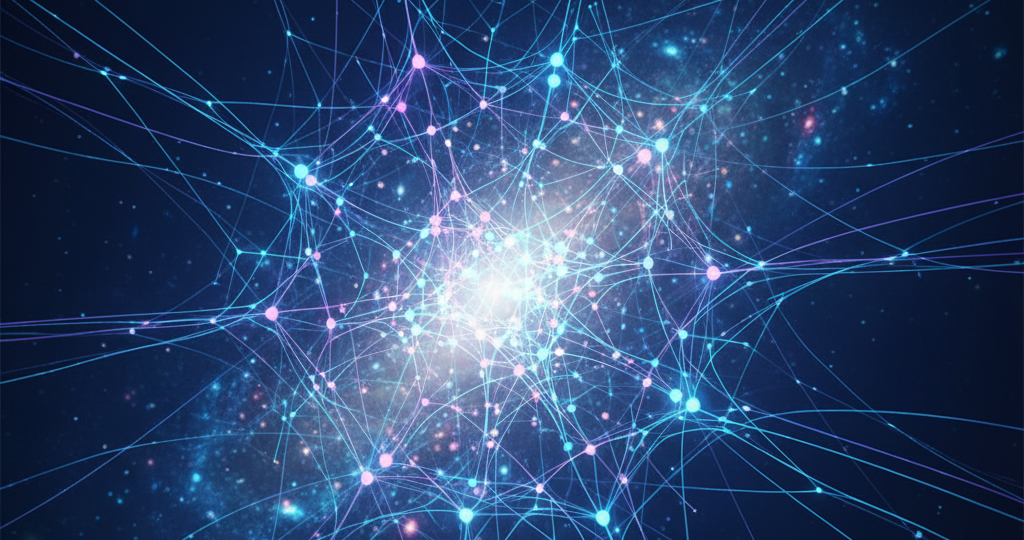
Hebb suggested that when two neurons repeatedly activate at the same time, their connection strengthens. Over time, these connections form patterns — the biological basis of learning, memory, and habit formation. He wasn’t talking about computers, but his ideas eerily predicted how neural networks in AI learn today.
What made Hebb’s work remarkable was how it bridged psychology and biology. He turned abstract concepts of thought and behavior into physical processes within the brain. Without fancy imaging or supercomputers, he built a theory that united mind and mechanism — a leap decades ahead of his time.
In many ways, Hebb helped us see that every thought, every skill, every memory — from tying a shoelace to composing music — is the result of neurons forming stronger friendships.
RELATED POSTS
View all