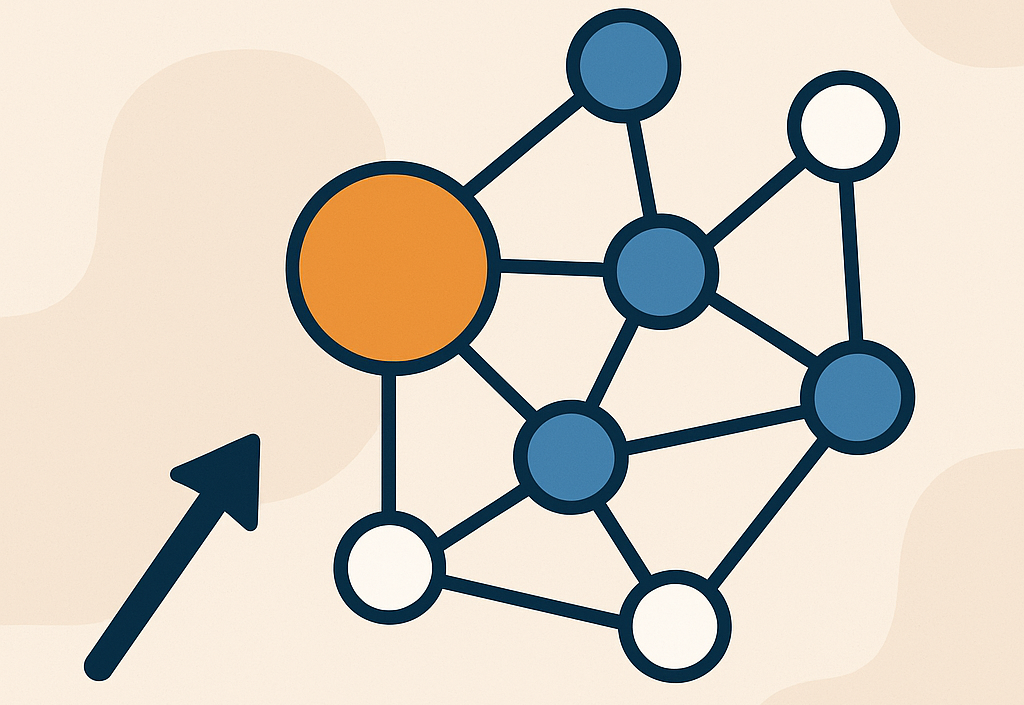
Ever notice how some countries seem to grow rich, stable, and innovative, while others remain stuck — as if caught in an economic time loop? It’s tempting to blame politics, geography, or fate, but one economist looked deeper and found a quiet, powerful force shaping entire nations. His idea might be the closest economics gets to a plot twist.|
Welcome to the world of Douglass North, the economist who argued that the true engine of economic progress isn’t money, technology, or even resources — it’s the rules of the game. Not Monopoly rules, sadly, but the institutions that govern how societies behave.
North spent his career studying why some civilizations thrive while others stagnate. He noticed a pattern: progress happened where institutions — laws, norms, contracts, property rights — encouraged people to take risks, build businesses, and invest in the future. Where rules were unpredictable or unfair, societies froze in place. Imagine trying to run a marathon while the track keeps changing shape under you. That’s life without stable institutions.
His research transformed economics in the late 20th century. He argued that institutions evolve slowly, sometimes painfully, shaped by political struggles, cultural habits, and history itself. Once in place, they become the invisible architecture of a society — the scaffolding that determines whether an idea becomes a company or remains a doodle in someone’s notebook.
North wasn’t flashy. He didn’t battle Keynes or revolutionize mathematics. Instead, he quietly rewrote the way economists think about development. For his work, he earned the Nobel Prize in 1993, not for a neat equation but for expanding our understanding of how human-made rules steer entire economies.
It’s a strangely human takeaway. Prosperity isn’t just about markets or money; it’s about trust, fairness, and stable expectations. Nations don’t succeed by luck — they succeed by building systems that allow people to dream boldly without fearing everything will collapse tomorrow.
RELATED POSTS
View all