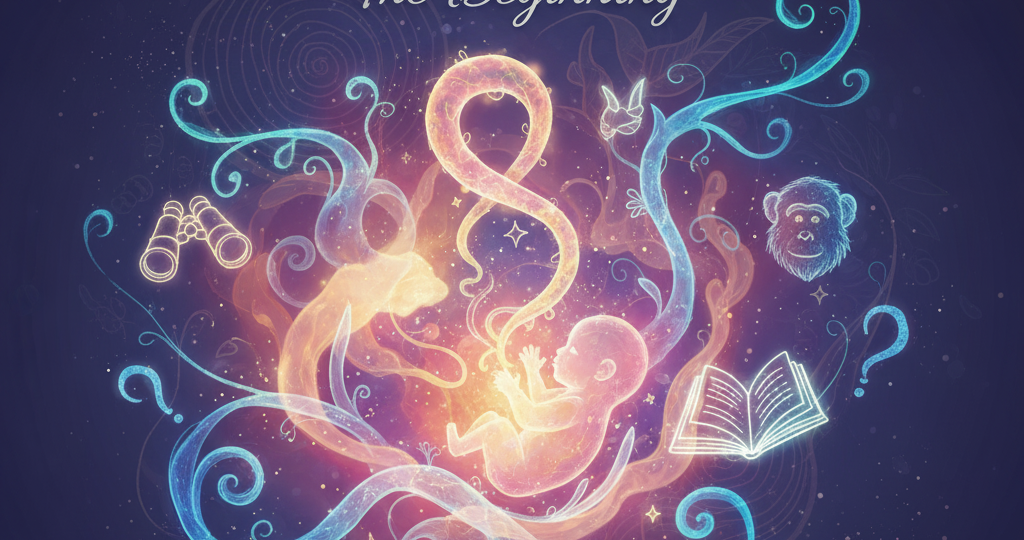
This is a series about one of the finest women to roam the Earth. She has left an everlasting impression and a steadfast legacy. This is a series dedicated to the life and works of Jane Goodall, one of the most famous zoologists in the universe.
Goodall was born on April 3, 1934. Her connection with animals started pretty young. As a small child itself, she was curious as well as affectionate toward animals. She loved them more than anything else. She got the kind of exposure to nature that genz kids could never imagine. She spent most of her time observing nature, such as ants building colonies, birds building nests, birds feeding their young, etc. One of her most famous childhood stories is the day she hid for hours inside a henhouse, just to see how a hen lays an egg. When she finally emerged, instead of scolding her, her mother listened patiently to her excited explanation. That support — of curiosity over fear — shaped Jane’s entire life.
Jane wasn’t born into wealth or privilege, and becoming a scientist was far from easy, especially for a woman in the 1940s and 50s. But she had something stronger than opportunity: an unshakable fascination with life itself. Inspired by books like Dr. Doolittle and Tarzan of the Apes, she dreamed of living in Africa and talking to animals. She would later joke that Tarzan married the wrong Jane. As she grew older, that dream never faded. She studied hard, worked odd jobs, and saved every penny she could — as a secretary, waitress, and assistant — just to fund a one-way ticket to Kenya.
In 1957, her courage finally took flight. At just 23 years old, Jane boarded a ship to Africa — a continent she had only read about. It was an extraordinary act of independence for that era. Most people her age were expected to settle down, not cross oceans alone. In Kenya, fate intervened when she met the famous paleoanthropologist Dr. Louis Leakey, who saw something special in her — an untrained but deeply observant mind. Leakey believed her natural empathy might allow her to see things that more rigidly trained scientists would miss. This meeting would change not just her life, but the world’s understanding of animals forever.
Even before she set foot in the forests of Gombe, Jane Goodall’s legacy had already begun. It was in her way of seeing — the belief that animals are not objects, but individuals with minds and emotions. Her childhood curiosity matured into a quiet, determined courage. She wasn’t driven by fame or money, but by a genuine love of life in all its forms. That simple, pure compassion became the foundation of everything she would later discover.
RELATED POSTS
View all