At any given moment, your senses are flooding your brain with more information than you could ever consciously process. Every sound in the room, every flicker of light, every shift in temperature, every sensation on your skin—it’s all there, competing for attention.
And yet, you experience only a tiny fraction of it.
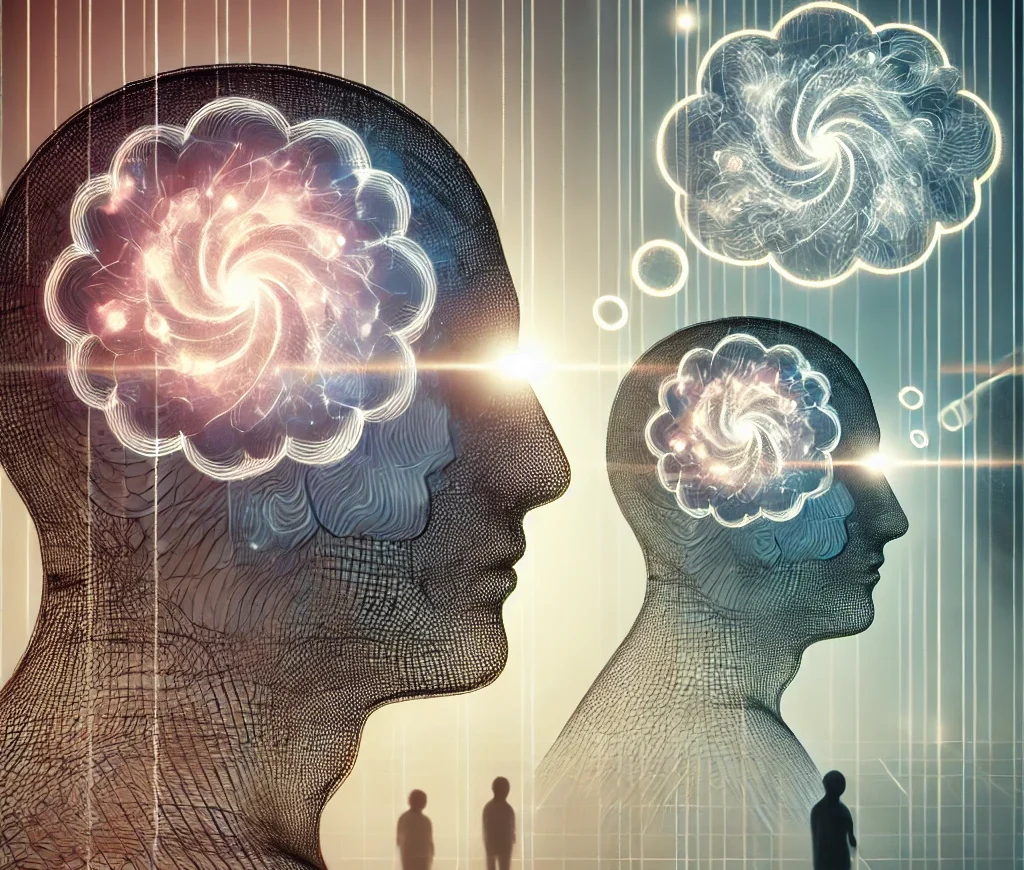
This filtering process is called sensory gating. It’s the nervous system’s way of deciding what gets through and what gets suppressed. A key player here is the thalamus—a relay station deep in the brain that screens incoming sensory signals before passing them to higher cortical areas. If everything reached consciousness equally, you’d be paralyzed by overload.
You’ve experienced this in the “cocktail party effect.” In a noisy room, you can focus on one conversation while ignoring dozens of others. But the moment someone says your name across the room, your attention snaps to it. That means the ignored sounds weren’t fully discarded—they were being monitored at a lower level, just in case they became relevant.
This system is powerful, but not perfect. In certain conditions, like schizophrenia or ADHD, sensory gating can be less effective. The brain struggles to filter out irrelevant stimuli, leading to overwhelming or distracting experiences. What most people take for granted—a quieting of the background—is actually an active neurological achievement.
Here’s the deeper implication: you don’t just miss details—you miss entire streams of reality. Your conscious world is not a complete picture; it’s a curated summary. What you call “focus” is really exclusion.
And that raises a subtle question. How much of reality exists just outside your awareness, filtered out not because it’s unimportant, but because your brain decided it was?
Your nervous system is not showing you the world. It’s protecting you from it.
RELATED POSTS
View all