In conversations, people unconsciously start copying each other. Someone crosses their arms, and the other person does it a minute later. One person starts speaking more softly, and the other adjusts their tone too. Even laughter, slang, and texting styles quietly spread between people.
Psychologists call this the Chameleon Effect — our tendency to subtly mimic the behaviors of others without thinking about it. Most of the time, neither person notices it happening. The brain does it automatically.
This turns out to be surprisingly useful socially. Mimicry helps signal familiarity, trust, and cooperation. Studies have shown that people who subtly mirror others are often perceived as more likable and easier to connect with, even when the mimicry is unconscious.
What makes this fascinating is that humans often believe connection comes mostly from words and ideas. But a huge part of social bonding happens beneath awareness through tiny behavioral synchronizations — posture, pacing, expressions, and tone.
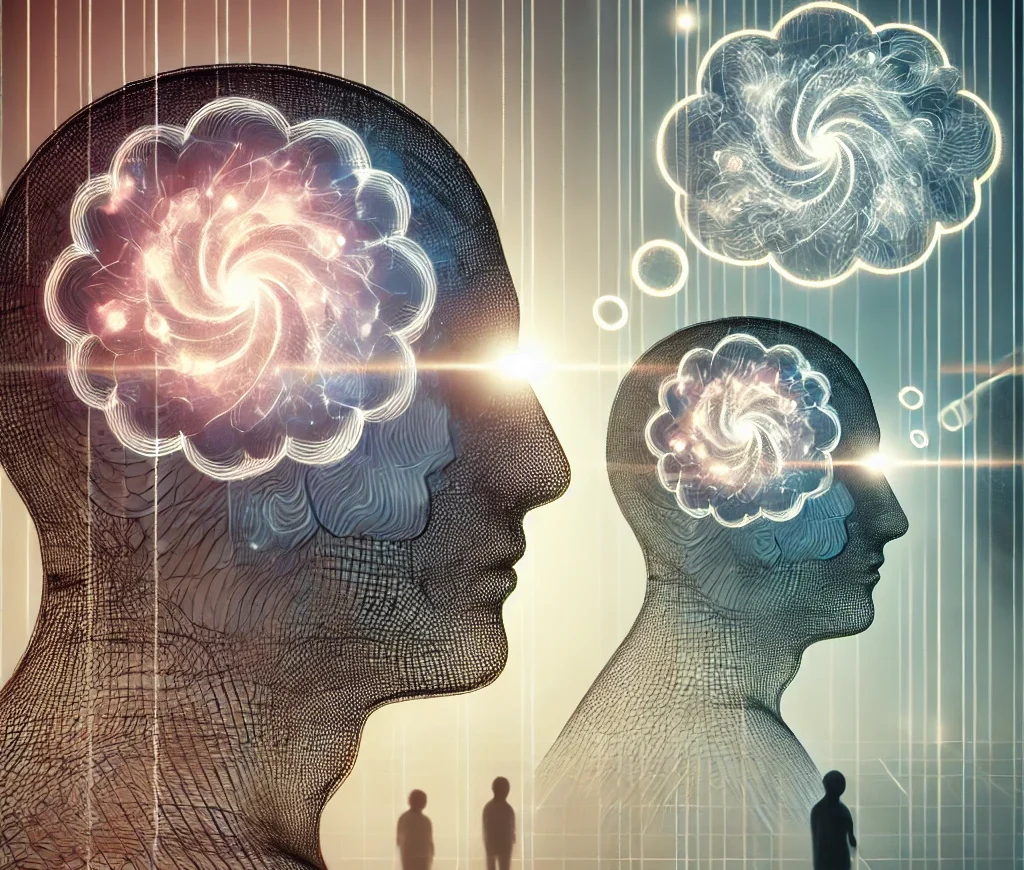
In many ways, humans are constantly “tuning” themselves to the people around them, like two instruments slowly falling into the same rhythm.
RELATED POSTS
View all