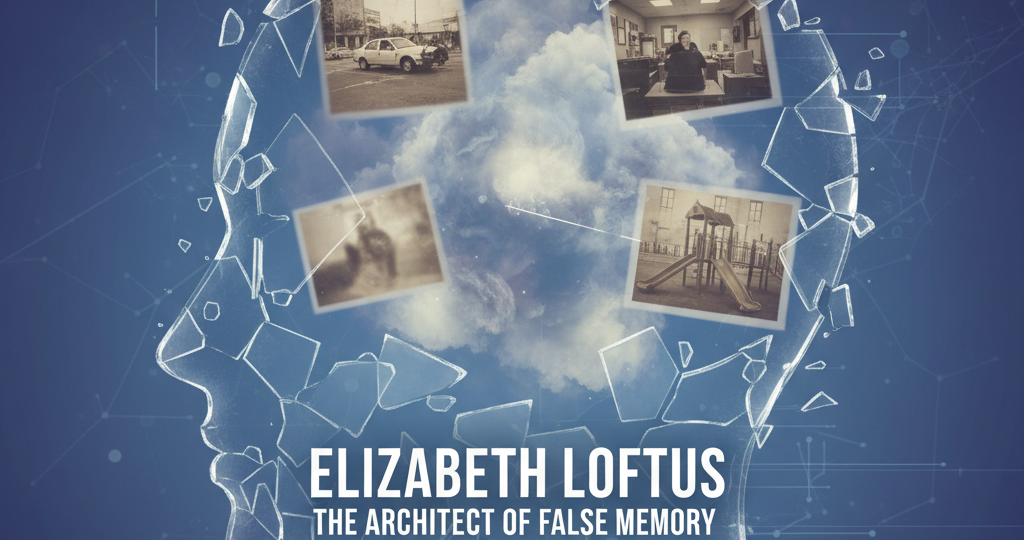
We often think of memory as a recording — a faithful storage of our past. But Elizabeth Loftus, a cognitive psychologist, challenged that comforting illusion. Her groundbreaking research showed that memory isn’t a video camera; it’s more like a creative writer, editing and rewriting every time we recall a scene.
In the 1970s and beyond, Loftus conducted a series of clever and unsettling experiments that revealed how easily false memories can be implanted. In one study, she showed participants videos of car accidents and then asked them leading questions — using words like “smashed” or “bumped.” Those who heard “smashed” later remembered broken glass that wasn’t there. A single word had reshaped their recollection.
Her most famous work, known as the “Lost in the Mall” experiment, demonstrated that people could be convinced they’d experienced entire events that never happened. This revelation rocked not just psychology but the legal world, where eyewitness testimony had long been considered sacred. Loftus’s findings revealed a troubling truth: our memories can betray us — not because we’re lying, but because our brains are too eager to make sense of things.
Beyond the lab, Loftus’s research forced courts, therapists, and investigators to rethink how they handle testimony and questioning. Her work, though controversial at times, ultimately safeguarded countless innocent people from false convictions based on distorted recollections.
Loftus redefined how we understand truth itself. In her world, memory isn’t a vault — it’s a living, breathing story, one that can change with every telling. And perhaps the most humbling part of her work is this: our past isn’t as fixed as we’d like to believe, and sometimes, the hardest person to fact-check is ourselves.
RELATED POSTS
View all

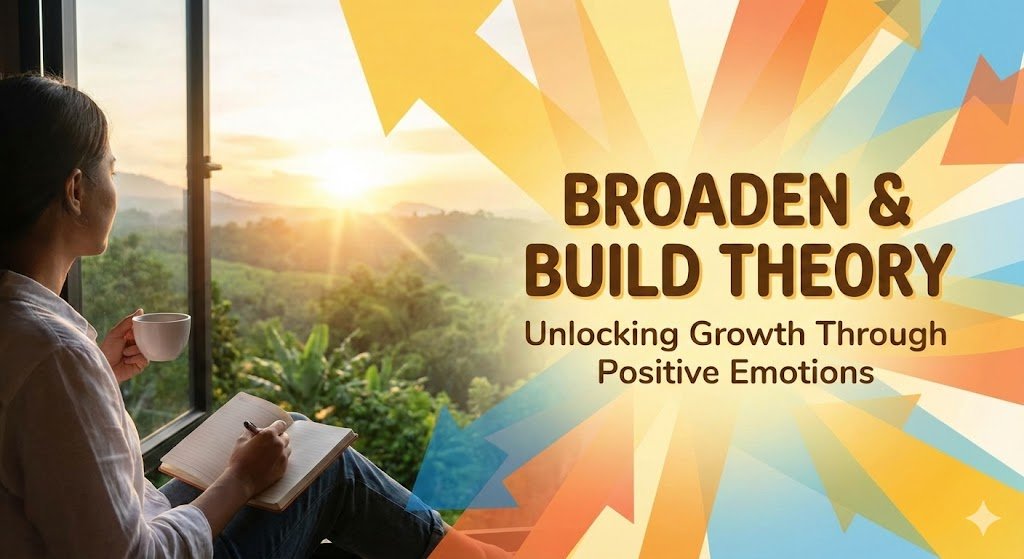
Feeling Good is much more than a mood enhancement: The Broaden-and-Build Theory
January 9, 2026 | by Venkat Balaji