Series: The Return Equation
Higher salaries, stronger currencies, world-class universities, and thriving professional ecosystems persuade millions of Indians to leave every year. Yet for thousands, migration is not the final destination. After years—or sometimes decades—abroad, they make another decision that appears equally surprising: they come back.
At first glance, the decision seems irrational. The salary they left behind often remains higher. The opportunities they once pursued continue to exist. Nothing, at least on paper, suggests that returning should be the obvious choice. Yet life is rarely lived on paper. The variables that once encouraged migration begin to change, and with them, so does the decision.
Careers illustrate this better than anything else. Early in life, professionals often leave to learn. They seek larger projects, specialised industries, globally recognised institutions, and mentors who can accelerate their growth. Years later, however, the objective changes. Experience is no longer something to acquire; it becomes something to apply. The young engineer who once left to join a team may eventually return to lead one. The researcher who spent years learning abroad may return to establish a laboratory rather than simply work in one. Migration begins with learning; for many, returning begins with building.
The country itself also changes. Opportunities that were scarce a decade ago are gradually becoming more common. New industries emerge, startup ecosystems mature, and private investment expands into sectors that once relied almost entirely on the government. The calculation therefore changes in two directions at once. People evolve, and so does the country they once left behind.
Family quietly becomes one of the strongest forces pulling people home. Parents grow older. Weddings, festivals, and milestones become increasingly difficult to experience through phone calls and video screens. Friends settle down. Nephews and nieces grow up. The distance that once felt exciting slowly begins to feel expensive—not financially, but emotionally. Some things cannot be measured in kilometres. They are measured in moments missed.
There is also the question of belonging. Home is difficult to define, yet most people recognise it immediately. It is speaking without translating your thoughts. It is celebrating festivals without planning months in advance. It is familiar streets, familiar conversations, and the quiet comfort of never feeling like a visitor. These are not economic advantages, nor do they appear in migration statistics. Yet they shape countless decisions all the same.
For many, returning is also made possible by the very migration that once took them away. Years of earning in stronger currencies, building savings, and gaining international experience provide the financial security to return on their own terms. What began as an opportunity to build a career abroad becomes an opportunity to build a life back home. Migration, in this sense, is not a permanent departure but an investment in future choices.
Some return for an even simpler reason: they want to contribute. Knowledge acquired abroad, international networks, and years of professional experience can become valuable only if they are put to use. Building companies, mentoring younger professionals, conducting research, or helping shape emerging industries all offer a different kind of reward. Success is no longer measured only by personal achievement, but by the ability to create opportunities for others.
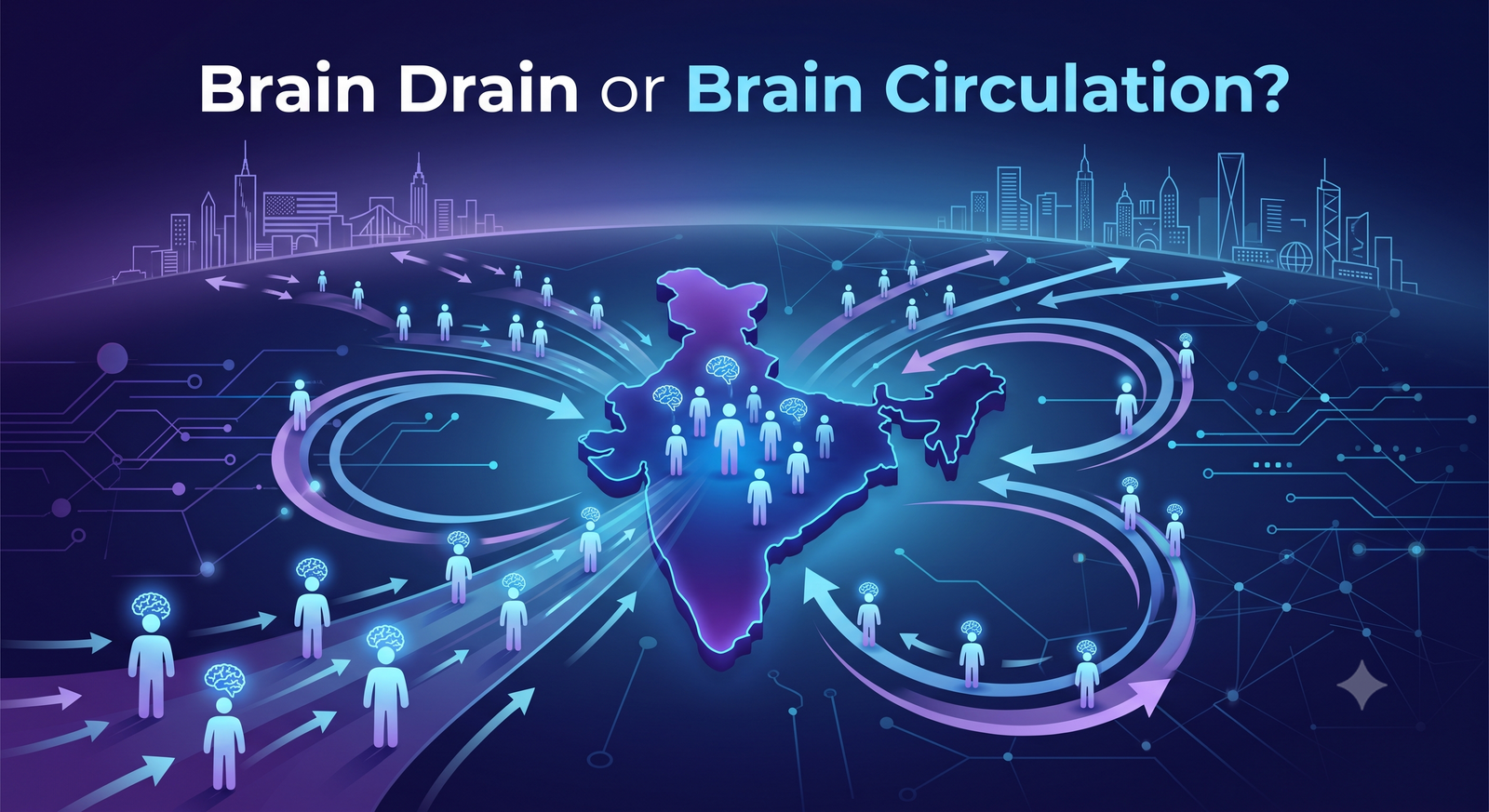
Perhaps this is why researchers increasingly distinguish brain drain from brain circulation. Talent does not always disappear when people leave. Sometimes it returns carrying new ideas, capital, experience, and perspectives that could never have been gained otherwise. Migration, then, is not always a story of loss. Sometimes, it is simply a longer route home.
Yet this still leaves one blatant contradiction. If home continues to pull so many people back, why do millions of others choose never to return? What transforms a temporary move into a permanent life abroad?
RELATED POSTS
View all