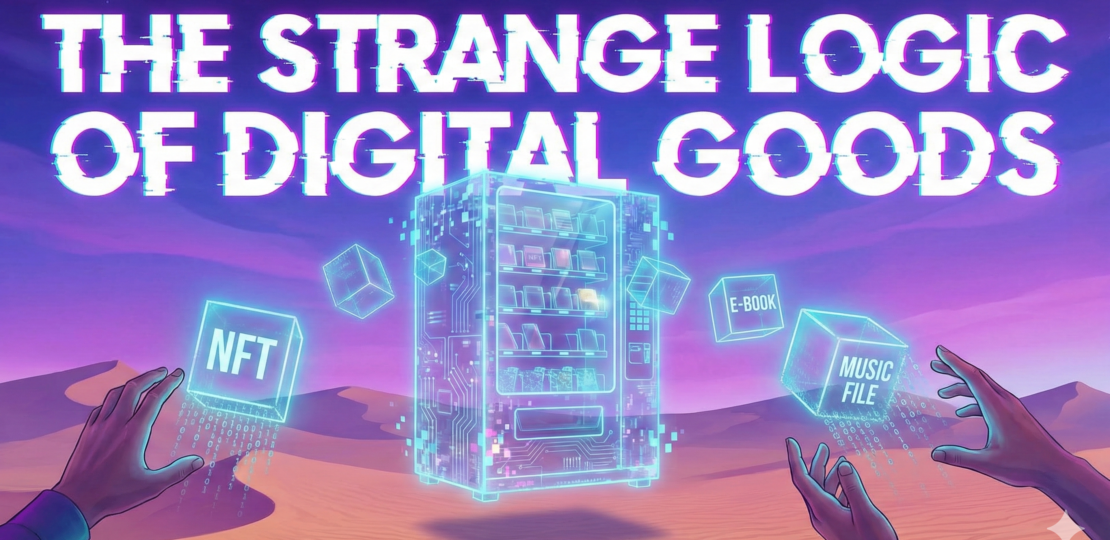
Imagine a musician spends a year composing an album. Recording, editing, mastering—thousands of hours of work. The first copy is extremely expensive to produce. But once the album exists as a digital file, making the second copy costs essentially nothing. The third copy? Also nothing. The millionth copy? Still almost zero. Economists call this a world of near-zero marginal cost.
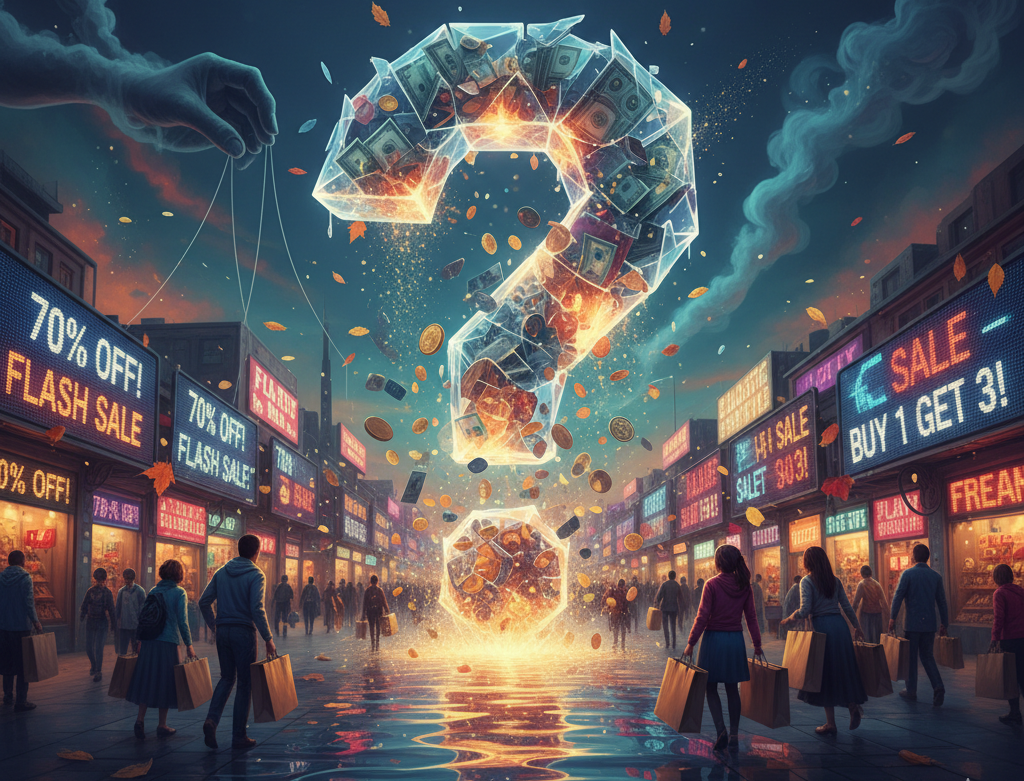
This creates a strange economic structure. In traditional industries, every additional unit costs something to produce. A baker must buy more flour to make more bread. A factory must use more steel to build more cars. Digital products break this pattern. Software, movies, e-books, and music often have huge upfront costs but almost no cost for additional copies. The economic challenge becomes how to recover the initial investment when the product itself can be reproduced infinitely.
This is why digital markets often drift toward unusual business models. Companies rely on subscriptions, licensing, advertising, or bundled services rather than selling individual units. Streaming platforms are a perfect example. Instead of selling one movie at a time, they charge monthly access to an enormous library. The economics aren’t about each film being sold repeatedly; they are about spreading the original production cost across millions of viewers.
The situation also explains why piracy became such a disruptive force in the early internet era. When the marginal cost of copying is essentially zero, preventing copying becomes extremely difficult. The market had to adapt by creating legal options that were easier than piracy—services where convenience outweighs the temptation to download files illegally.
The broader lesson is that digital technology didn’t just create new products; it changed the underlying rules of pricing. When the cost of producing the next unit disappears, traditional supply-and-demand logic behaves differently. The economy begins to revolve less around manufacturing things and more around controlling access, attention, and platforms where those infinitely reproducible goods are distributed.
RELATED POSTS
View all