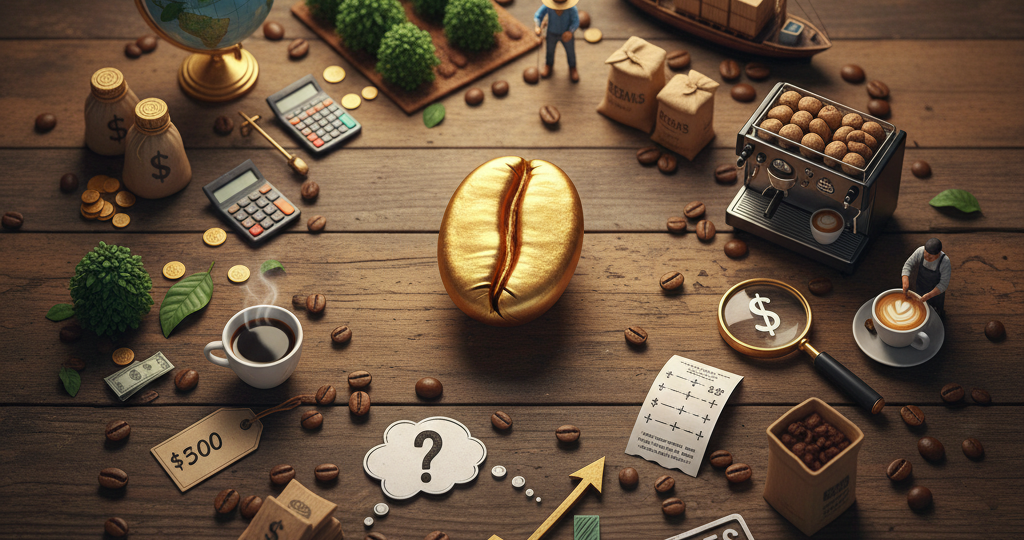
You’ve probably noticed that your favorite cup of coffee seems to get pricier every year. Sure, inflation plays a role—but the real story is a blend of global markets, unpredictable weather, and a surprising amount of economics brewed into every sip.
Coffee is one of the most traded commodities in the world, second only to oil in some years. Most of it comes from countries near the equator—like Brazil, Vietnam, and Colombia—while demand is highest in the U.S. and Europe. That means every latte depends on an intricate global supply chain that’s sensitive to even the smallest disruptions.
When droughts hit Brazil or frost damages crops, the supply of coffee beans drops, pushing prices up. Add to that rising transportation costs, labor shortages, and currency fluctuations, and your $4 coffee suddenly costs $5. On the demand side, coffee culture has exploded—more specialty drinks, more local roasters, and more people willing to pay for “artisanal” beans. Economists call this value perception: people pay more when they believe they’re getting higher quality or a unique experience.
Then there’s the hidden economics of coffee shops themselves. Rent, wages, energy—all rising. Even big chains like Starbucks tweak prices to balance these costs while keeping their brand appeal intact.
So the next time you sip that cappuccino, you’re not just tasting caffeine—you’re tasting global trade, climate impact, and consumer psychology all at once. Coffee isn’t just a drink; it’s a perfect case study in how markets, preferences, and the planet collide to decide the price of your daily ritual.
RELATED POSTS
View all