Series: The Return Equation
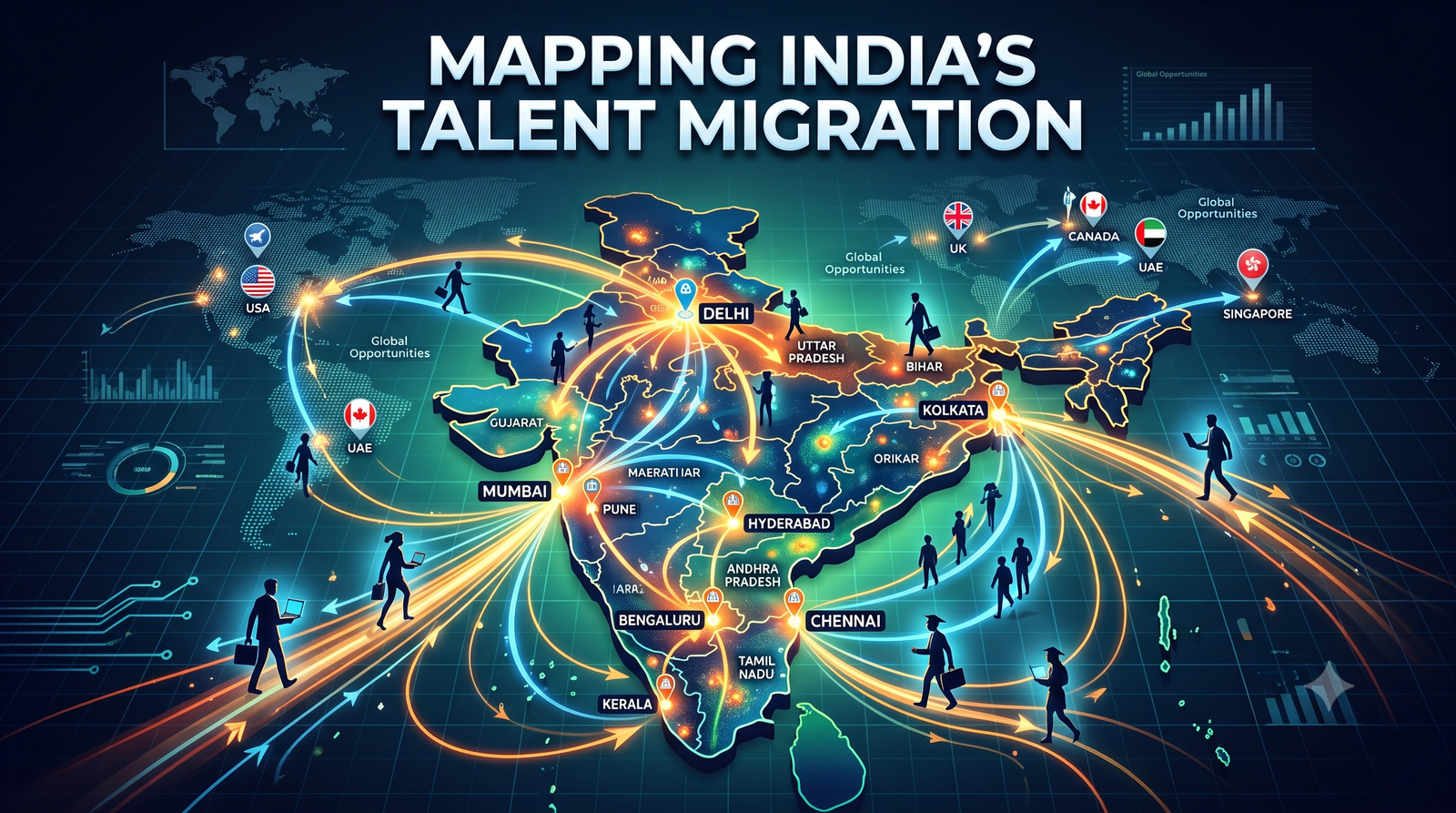
Throughout this series, the discussion has revolved around a single observation: millions of talented Indians leave the country every year. We examined the financial incentives, the career opportunities, the reasons some return, and the reasons many never do. Yet perhaps we have been asking the wrong question all along. Rather than asking how many people leave, perhaps we should be asking what happens after they do.
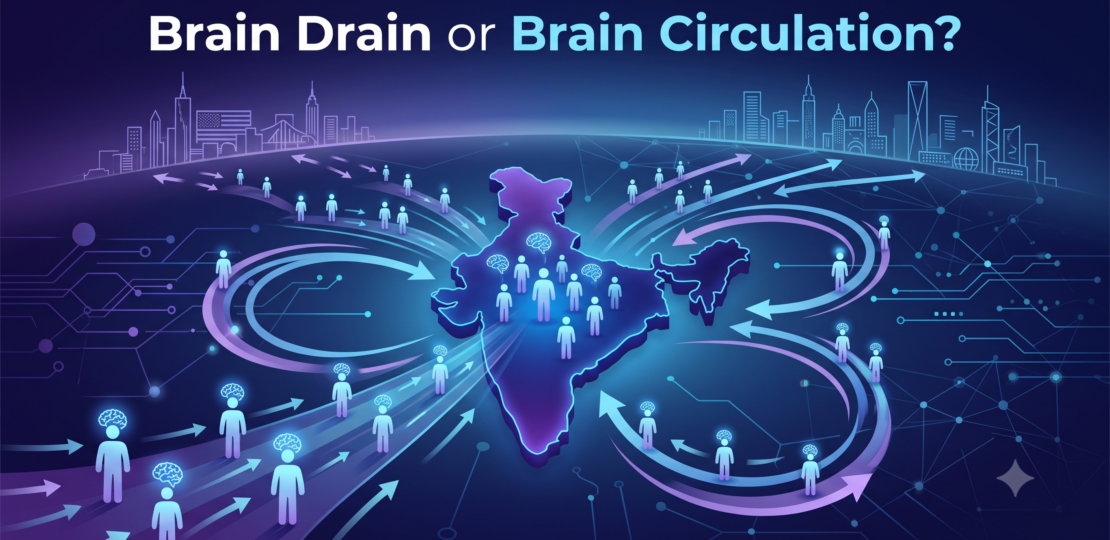
For decades, migration was viewed almost exclusively through the lens of brain drain—the permanent loss of highly skilled individuals to wealthier nations. While that certainly remains a reality, researchers increasingly argue that the picture is more nuanced. Economists now speak of brain circulation: a system in which people, knowledge, capital, ideas, and professional networks continue moving across borders long after migration itself has occurred. Talent does not always return as people. Sometimes it returns as experience, investment, and opportunity.
India already offers compelling evidence of this shift. The country receives more remittances than any other nation in the world, with Indians abroad sending home close to $140 billion every year. That money supports families, finances education, funds businesses, and contributes to economic growth. Yet financial transfers are only the most visible form of contribution. Knowledge often travels much more quietly.
Indian researchers collaborate with universities around the world. Entrepreneurs living abroad invest in startups back home. Experienced professionals mentor founders, advise companies, fund scholarships, and participate in research partnerships without permanently returning. Even those who never move back can continue shaping India’s future. Migration, therefore, does not always sever a country’s relationship with its people. In many cases, it simply changes the nature of that relationship.
The technology sector illustrates this particularly well. Indian-origin leaders head some of the world’s most influential companies, oversee research programmes, and direct billions of dollars in investment. Their work does not stop at national borders. Through partnerships, hiring, venture capital, mentorship, and collaboration, many continue influencing India’s innovation ecosystem despite building their careers elsewhere. Their contribution cannot simply be measured by where they pay taxes or where they reside. It must also be measured by the opportunities they create.
Perhaps this is where the traditional idea of brain drain begins to feel incomplete.
If talented individuals continue investing, mentoring, collaborating, and sharing expertise with India, has the country truly lost them? Or has it simply become part of a much larger global network?
That does not mean brain drain is no longer a concern. Brain circulation is not automatic, nor is it guaranteed. It depends on strong universities, competitive industries, research institutions, government initiatives, and an ecosystem capable of maintaining meaningful relationships with its diaspora. Without these connections, migration remains exactly what earlier generations feared—a permanent loss of talent. The difference between brain drain and brain circulation is not migration itself. It is whether knowledge finds its way home.
Perhaps, then, countries have been measuring the wrong thing. Instead of asking how many talented people leave, they might also ask how much knowledge, investment, innovation, and experience eventually returns. Migration should not only be measured by passports crossing borders. It should also be measured by ideas crossing them.
India may never prevent every talented individual from leaving, nor should that necessarily be the objective. In an increasingly connected world, talent will always move towards opportunity. The greater challenge is ensuring that wherever Indian talent goes, India continues to benefit from its success.
That raises one final question. If brain circulation is possible, how does a country actively encourage it? How can India create an environment where more people choose to stay, more professionals choose to return, and those who remain abroad continue contributing in meaningful ways? Those questions move the discussion beyond diagnosis and towards solutions.
RELATED POSTS
View all